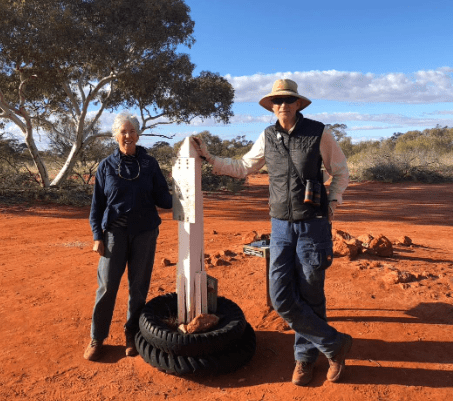
One way of recording animal presence (and getting an idea of abundance) is looking for the signs left behind in the landscape. This can often be more efficient than having to capture or observe the animal. Signs most often mean tracks, but also include scats, burrows, diggings, bones, hair, fur and carcases.
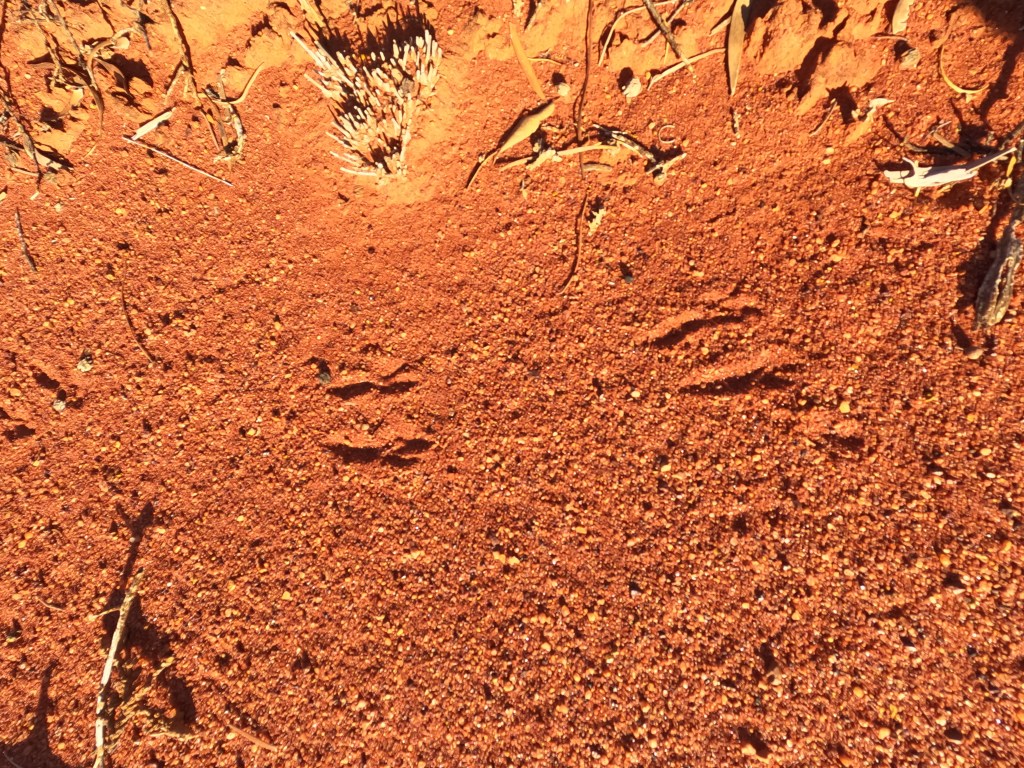
Tracking involves walking the land and observing carefully, drawing upon what you have been taught and your own experience – a truly ancient way of doing things. Our teachers at Desert Discovery have been the Indigenous people we have partnered with, and leading desert ecologists.
The data we collect is not only of interest to the owners and managers of the lands where Desert Discovery projects take place, but also other bodies such as national threatened species recovery teams. As such we do not wander aimlessly, but rather use tracking survey methodology developed by the Arid Zone Monitoring Project funded through the Threatened Species Recovery Hub. This means our data helps build the arid zone-wide picture.
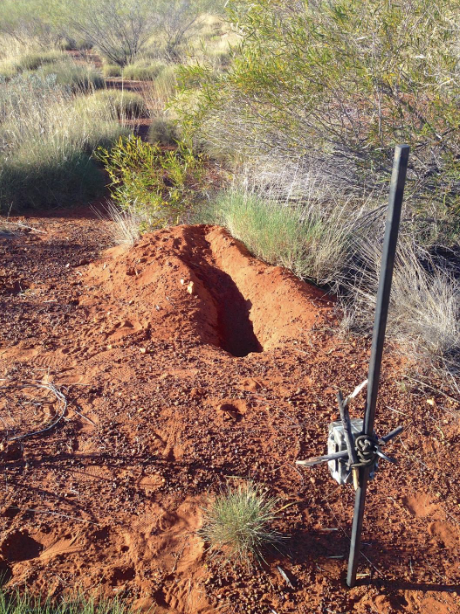
What are we looking for? In the last decade or more there has been a particular emphasis on threatened arid zone mammals and lizards – particularly Greater Bilby and Great Desert Skink. Land managers have a particular interest in feral species as well. Our data can help give some idea of the impact of feral species on particular native species. We also record a range of mid-sized reptiles, larger birds, and some of the smaller mammals with distinctive tracks (most of the smaller mammals are best detected through trapping surveys as done by the Mammals and Reptile Team).
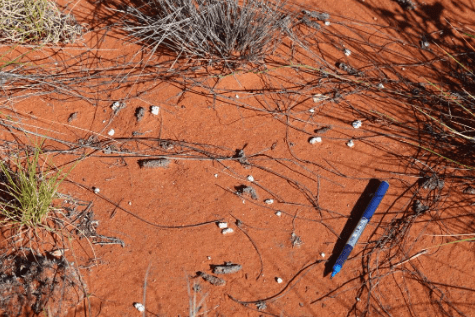
The tracking surveys are a great way to immerse yourself in country, and learn a lot. As a byproduct we end up with plant, bird, fungi, insect and other observations of interest to our fellow Desert Discovery teams.